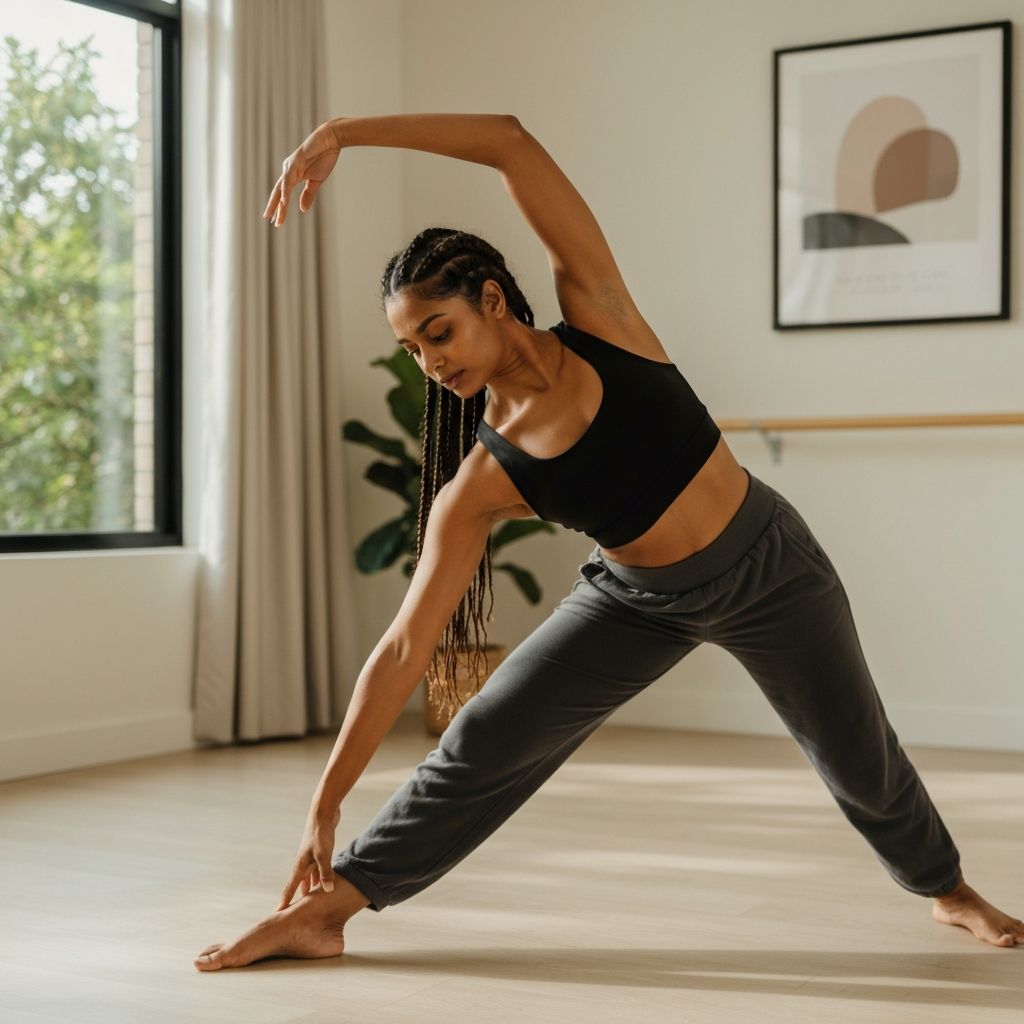
Understanding our approach to movement learning
Dalton developed from a simple observation: most people have far less movement variety in their daily lives than their bodies are capable of. We spend hours in similar positions, repeat the same patterns, and rarely explore the full range of what's possible.
The studio was created as a space where people could systematically expand their movement repertoire—not through intensive training or specific goals, but through consistent exploration and attention to how the body organises itself.
Rather than focusing on fitness or achievement, the emphasis was placed on understanding. What happens when you move slowly enough to notice details? How do different parts of your body coordinate? What changes when you experiment with different approaches to the same movement?
Central to the studio's approach is the view of the body as a unified system. When you reach for something, your arm doesn't act in isolation—your spine adjusts, your pelvis shifts, your legs engage to maintain balance.
This interconnectedness means that developing coordination in one area influences others. Learning to organise your spine more effectively affects how you use your shoulders. Improving your balance changes how you walk.
The studio work is designed around this principle, using movements that highlight these connections and help you develop a more integrated way of moving.
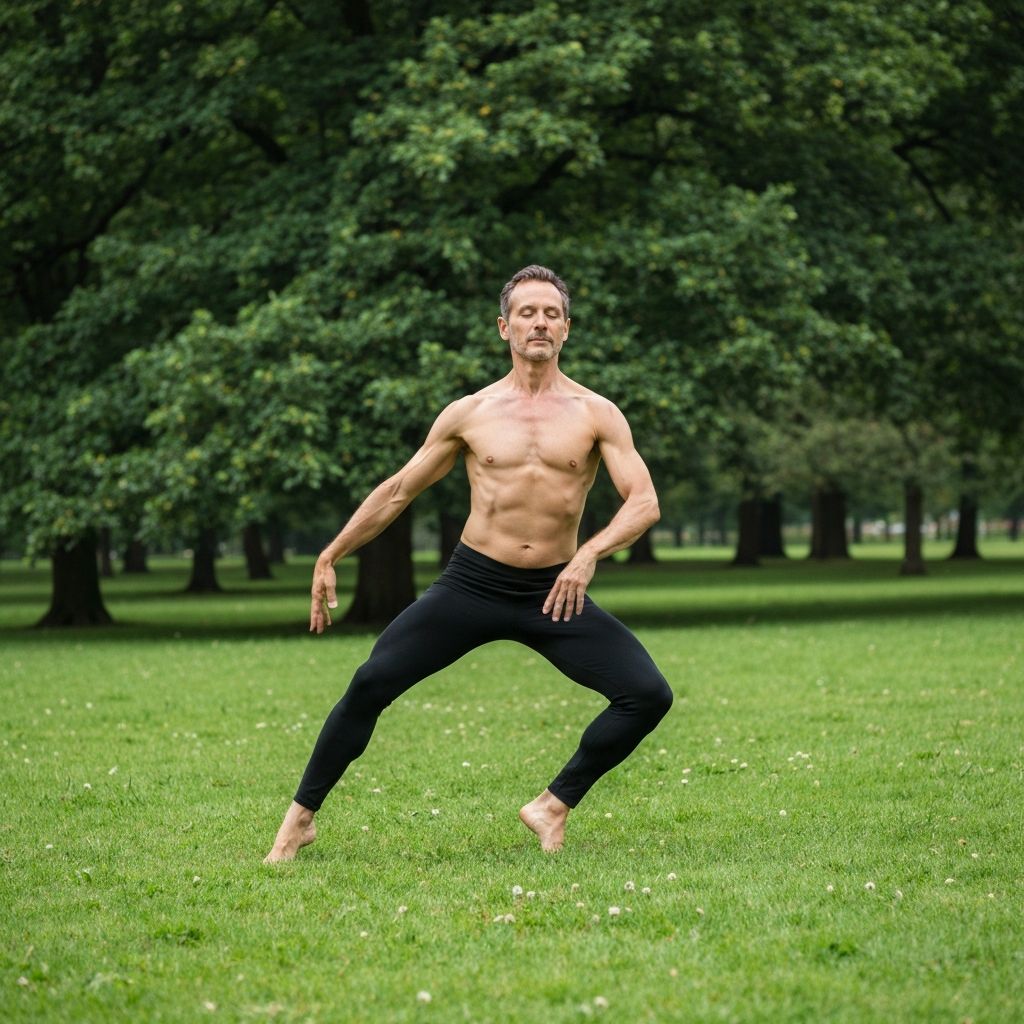
Mindful movement means paying attention to what you're doing while you're doing it. It involves noticing where you feel effort, where movement flows easily, how your weight shifts, and how different parts of your body coordinate.
This kind of attention is a skill that develops with practice. Initially, you might notice only the most obvious aspects of a movement. Over time, you become aware of more subtle details—the timing of different segments, the quality of the movement, the feeling of stability or instability.
This awareness becomes the foundation for improving how you move. When you can sense what you're doing, you can adjust it. When you notice patterns, you can experiment with alternatives. The learning emerges from this cycle of attention and adaptation.
The studio places significant emphasis on developing your ability to observe your own movement. Rather than relying entirely on external feedback, you learn to assess what's happening in your body.
This involves questions like: Where am I feeling effort? Is this movement smooth or choppy? Am I holding my breath? Is my weight distributed evenly? Over time, these observations become more refined, giving you a clearer sense of how you're moving and what might benefit from adjustment.
This self-monitoring extends beyond the studio. As you develop this skill, you begin to notice your movement patterns in daily life, which creates opportunities for applying what you've learned in the studio to ordinary activities.
The studio operates on principles of gradual development rather than rapid change. Movement patterns that have been established over years don't transform overnight. Instead, they shift incrementally through repeated exposure to new possibilities.
Consistency matters more than intensity. Regular sessions, even if modest in duration, provide ongoing opportunities for your nervous system to explore and integrate new patterns. This is why the studio emphasises sustainable practice rather than occasional intensive work.
Progress in this context doesn't mean reaching a specific goal. It means expanding your movement options, developing greater ease, and building a more refined sense of how your body works.
The instructors at Dalton are specialists in movement education and body awareness. Their training focuses on understanding how people learn movement, how to present patterns clearly, and how to guide individuals in finding approaches that work for their particular body.
They're not focused on correcting or fixing. Instead, they present frameworks for exploration, offer observations that might help you refine your coordination, and suggest variations that expand your understanding of a movement.
Their role is to create an environment where learning can occur—providing structure, guidance, and relevant information while respecting each person's individual learning process.
The studio doesn't make claims about specific outcomes because movement learning is highly individual. What one person experiences might differ significantly from another's experience, even if they're following the same general practice.
Additionally, the work is educational rather than corrective. The goal is to expand your movement capacity and awareness, not to achieve a predetermined result. What matters is the quality of your engagement with the learning process—your attention, your exploration, and your growing understanding of how you move.
This approach respects the complexity of human movement and acknowledges that meaningful development takes time and consistent practice rather than following a fixed formula.
One of the studio's primary aims is to help people develop movement practices they can maintain over the long term. This means finding approaches that are sustainable, enjoyable, and appropriate for your current life situation.
Sustainable practice isn't about pushing to your limits or working through discomfort. It's about finding a level of engagement that you can maintain week after week, month after month. It's about developing skills gradually rather than forcing rapid change.
The studio provides the framework and guidance, but the actual practice belongs to you. Over time, you develop the tools to assess your own movement, make appropriate adjustments, and continue learning independently alongside the structured sessions.
If you'd like to know more about how the studio operates or discuss whether this approach might suit your interests, please get in touch.
See examples in context